The Importance of Writing
Airy Hill Primary School is committed to:
- Developing fluent and creative writers.
- Developing a love of literature.
- Closing the language gap.
Early Writing
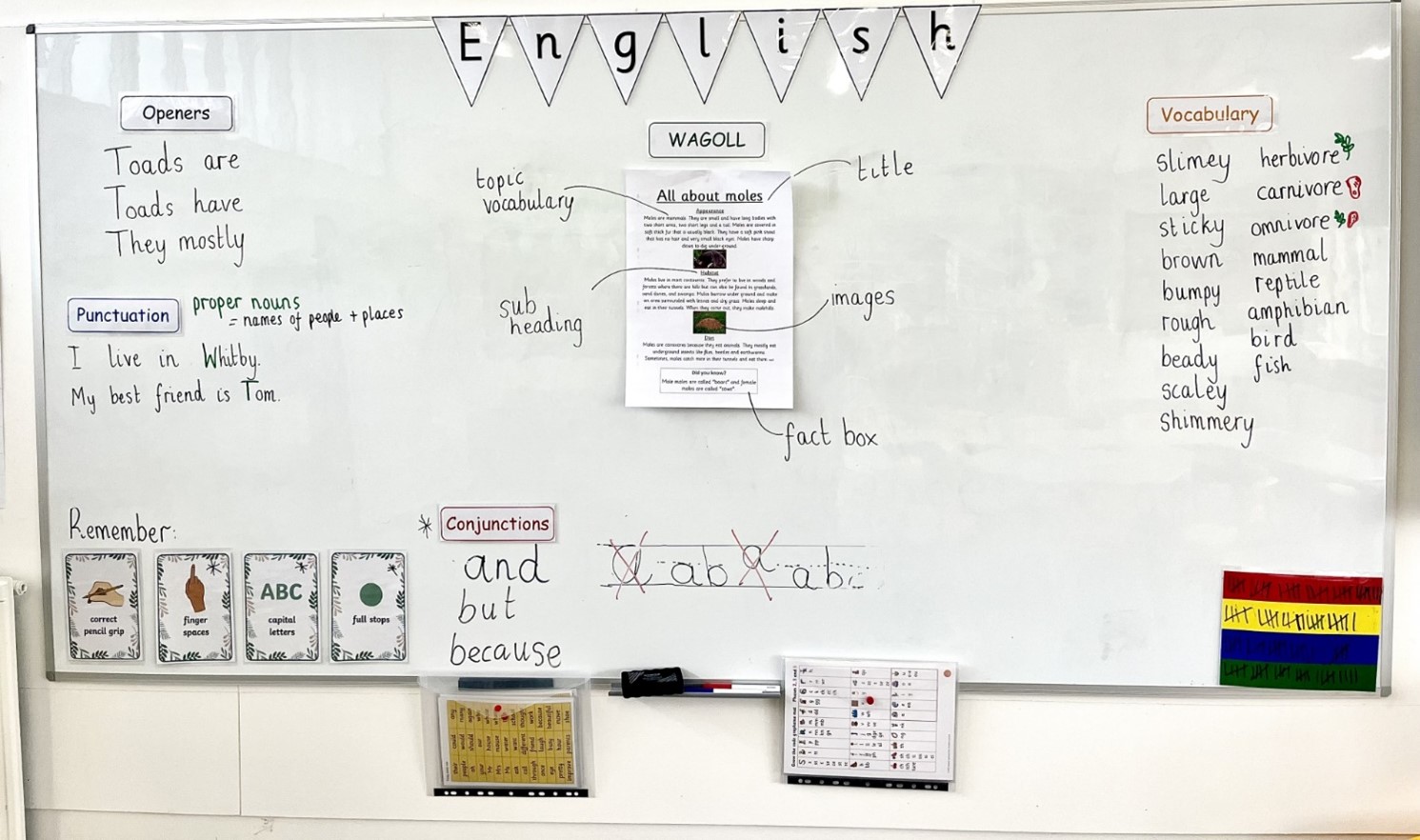
Our Writing Curriculum for Reception and Year 1 reflects current research on early literacy and places equal importance on developing strong foundations in spoken language and early writing.
In Reception and Year 1, we teach oracy and transcription as distinct strands. This allows children to develop rich vocabulary, confident communication, and strong storytelling skills, before being expected to record their ideas in writing. At the same time, they learn accurate letter formation, phonics, spelling, and handwriting in order to write clearly. Teaching these areas separately ensures that children’s creativity and vocabulary can flourish while their handwriting and spelling develop at an appropriate pace.
By building strong oral language skills alongside secure transcription skills, children become confident early writers. They learn to generate ideas, use ambitious vocabulary, and structure sentences orally before applying their growing handwriting and spelling knowledge. This approach supports all learners and ensures a smooth transition into more independent writing in Year 2 and beyond.
Year 2 and beyond
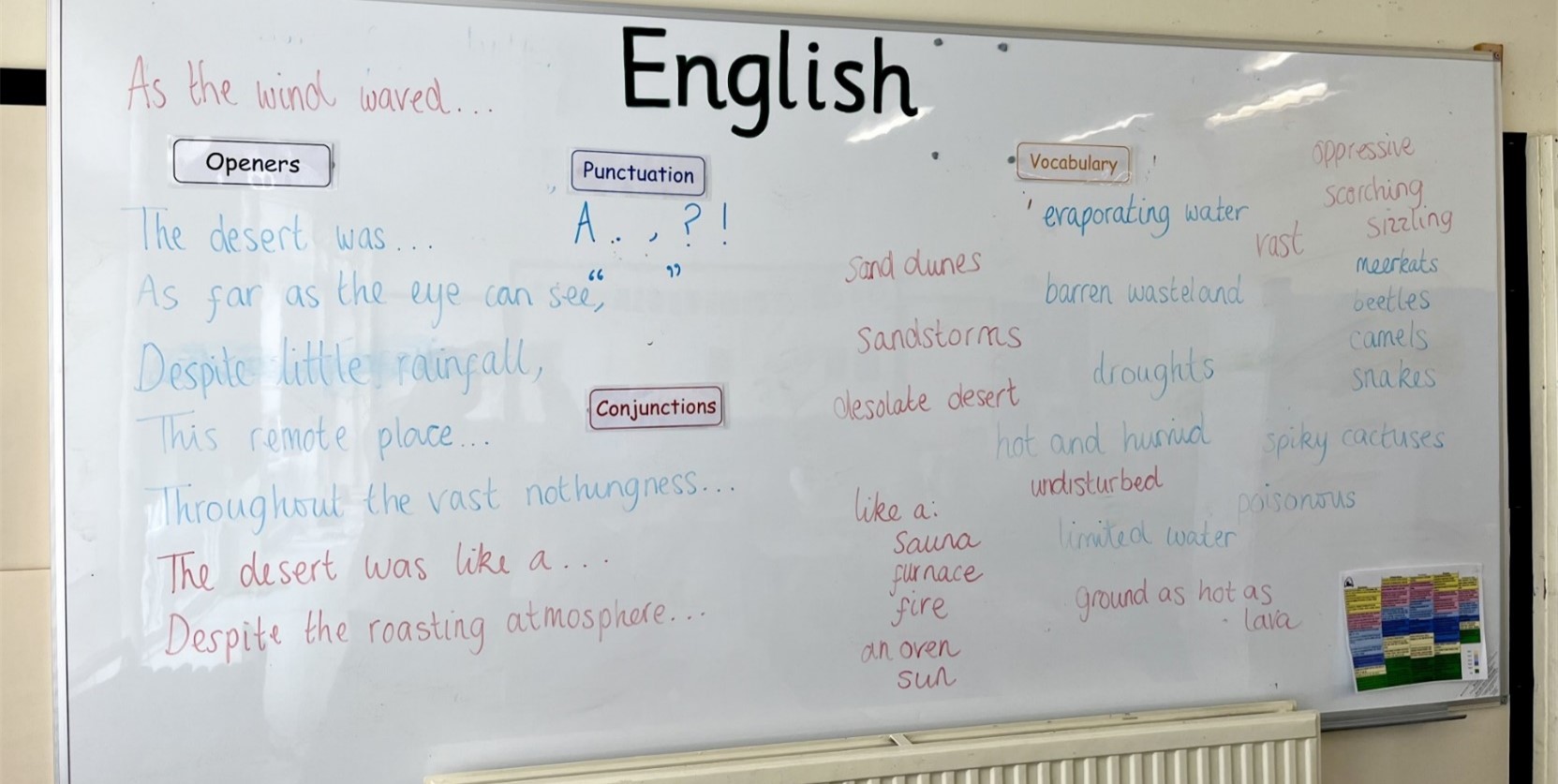
At Airy Hill, writing is taught daily using an ‘I do, we do, you do’ approach in Years 2-6. All writing units are linked directly to the high-quality text children are reading, analysing and discussing during reading comprehension sessions. This supports them to explore a variety of genres whilst being immersed in an engaging curriculum.
I do: At the beginning of each writing unit, pupils spend time unpicking and exploring a high-quality model text. Pupils will partake in rich discussions surrounding the text type, features and how this compares to other texts.
We do: Children will complete a piece of shared writing with the teacher. These lessons provide a scaffold for all pupils to understand how to plan, draft and edit their work to produce excellent writing. As the shared writing evolves, there is a gradual shift in input from the adult to the children’s independent outcome allowing them to invent and innovate.
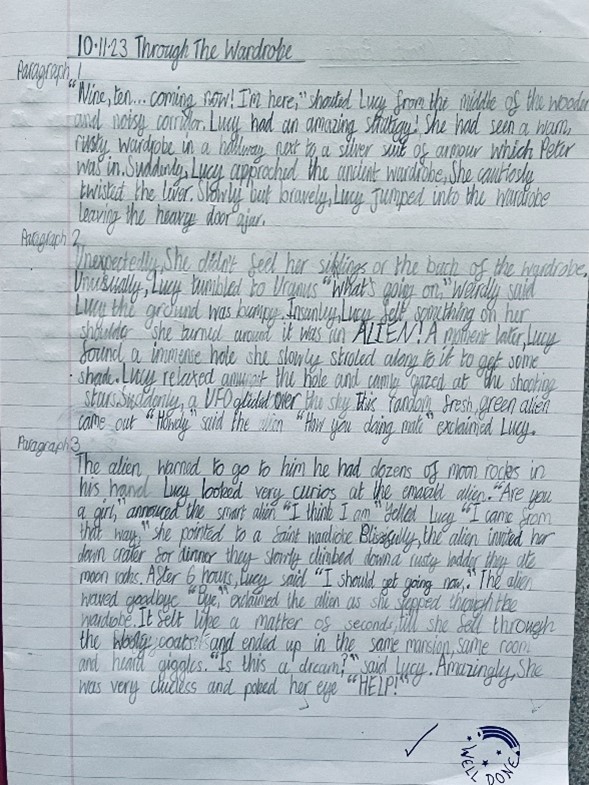
You do: Each writing unit ends with an assessment writing piece. This gives the children opportunities to apply the knowledge and skills taught to their own independent outcome. Children will follow the same planning, drafting and editing process independently. Across each year, a variety of fiction, non-fiction and poetry writing units are planned for including text types such as character/setting descriptions, instructions, formal/informal letters etc.
We love to celebrate children’s writing, displaying it in classrooms and sharing with adults across school.